The future of offshore energy
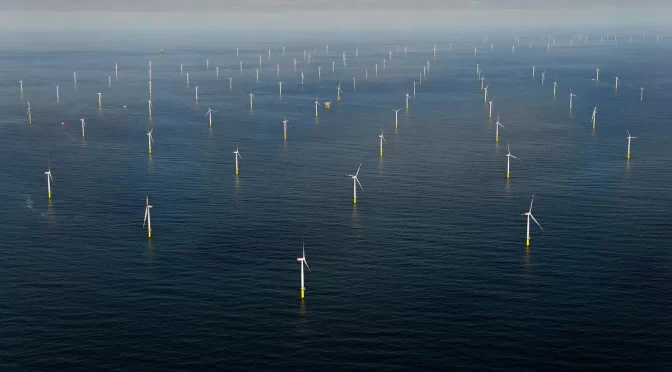
The windiest part of the UK is offshore, out at sea, so putting windfarms out there is the perfect source of renewable energy for us. Find out more about the advances being made in offshore energy and how we’ll be using it to generate much more clean energy for a net zero future.
Advantages of offshore wind power
- Offshore wind turbines are more efficient
Higher wind speeds and consistency in direction means offshore installations require fewer turbines to produce the same amount of energy as onshore wind farms. - Reduced environmental impact
Being miles out from the coast, offshore turbines are further away from the local population. Restricted access to their sites may even help to protect the surrounding marine ecosystems. - More space to construct in
Oceans provide the perfect location to build wind farms in terms of scale and openness. More wind farms being built means more clean, sustainable energy can be produced.
Full power: the world’s largest wind farm
The Hornsea Phase 2 offshore wind farm will become the largest wind farm in the world, when operational in 2022. It will generate 1.3GW of green energy from 165 8MW wind turbines, which is enough to supply 1.4 million homes.
The future of wind energy in the UK
By 2050 the UK will consume more than twice the amount of electricity than today*, driving the need for four times more clean energy generation and double the grid capacity. The UK government has outlined ambitious plans to increase our offshore wind capacity to 40GW by 2030, which would triple the current output.
To make this happen, there are a variety of solutions in the pipeline, including:
1. Multi-purpose interconnectors
Instead of individual wind farms connecting one by one to the shore, Multi-purpose interconnectors (MPIs) will allow clusters of offshore wind farms to connect all in one go, plugging into the energy systems of neighbouring countries and making it even easier to share clean energy between countries.
2. Floating wind farms
Unlike existing offshore wind farms, these revolutionary ‘floating farms’ don’t need to be fixed to the sea bed, instead using anchors to keep them in place, similar to a boat. This means they can be positioned in much deeper sea areas, meaning there’s more room for bigger turbines that generate larger amounts of power.
3. Energy Islands
Energy Islands will play a part in the evolution of offshore wind infrastructure by acting as state-of-the-art ‘clean energy hubs’. They will enable the connection of offshore wind to multiple countries via MPIs, while also serving as a platform for the production and delivery of green hydrogen.